Laxatives
Also called Fybogel (ispaghula husk), Duphalac, Laxose, Movicol, Laxido, Molaxole, Macrolief, Dulcolax, Senokot
Some types need a prescriptionLaxatives are medicines that treat constipation. They are often used when changes to diet and lifestyle have not helped. Some are sold without a prescription and others come from your GP.
When to see a GP ↓Brands sold in Ireland
- Ispaghula husk
- Fybogel
- Lactulose
- DuphalacLaxose
- Macrogol
- MovicolLaxidoMolaxoleMacrolief
- Bisacodyl
- Dulcolax
- Senna
- Senokot
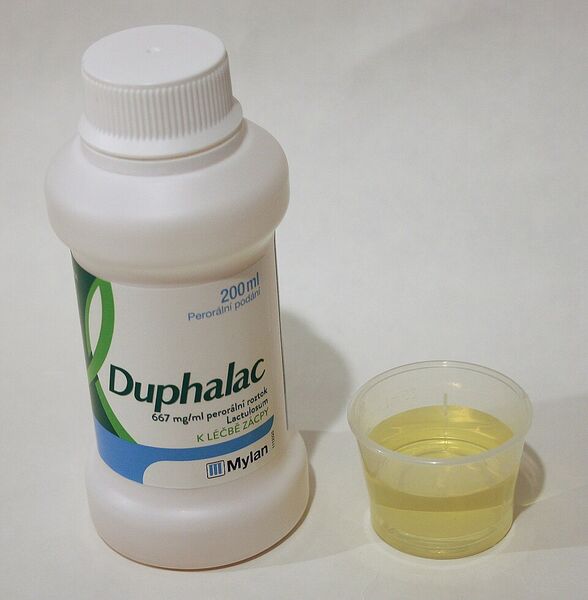
Photos from Wikimedia Commons. Packs sold in Ireland may look different.
As listed by the HSE. The same medicine can be sold under other names; the pharmacist can tell you.
Get help urgently
- Contact your GP immediately and stop taking the laxative if you have difficulty breathing, or swelling of the face, lips, tongue or throat. These are signs of a serious allergic reaction (anaphylaxis).
What laxatives are for
- Laxatives treat constipation.
- They are often tried when lifestyle changes have not helped. These include more fibre, bulking agents like wheat bran, plenty of fluids and regular exercise.
- Some are sold in supermarkets and pharmacies without a prescription. Others are available on prescription from your GP.
Types of laxatives
- Bulk-forming laxatives, such as Fybogel, add bulk to poo and stimulate the bowel. They take 2 or 3 days to work.
- Osmotic laxatives, such as lactulose and macrogol, draw water into the bowel to soften poo. They take 2 or 3 days to work.
- Stimulant laxatives, such as bisacodyl, senna and sodium picosulfate, stimulate the gut muscles to move poo along. They take 6 to 12 hours to work.
- Poo-softener laxatives, such as arachis oil and docusate sodium, add water to poo so it is easier to pass.
- Ask your GP or pharmacist if you are not sure which one to use.
Who can and cannot take them
- Do not use laxatives if you have a perforated bowel, phenylketonuria or a blockage in your digestive system.
- Check with your GP or pharmacist first if you have allergies, ulcerative colitis, IBS, Crohn's disease, a colostomy or ileostomy, or liver or kidney disease.
- Also check first if you are pregnant, trying for a baby, breastfeeding, have diabetes, have difficulty swallowing or are lactose intolerant.
- Read the information leaflet before you use one.
How to take them
- Laxatives come as tablets, capsules, powder sachets, suppositories and enemas. Ask a pharmacist if you are unsure how to use yours.
- Some need to be taken at a set time, such as first thing in the morning or last thing at night.
- Follow the leaflet for how much to take, or ask a pharmacist or GP. Never take more than recommended or use them for longer than advised.
- Drink plenty of fluids with bulk-forming or osmotic laxatives, as they can cause dehydration.
- Regular use should always be supervised by your GP.
Side effects
- Side effects are usually mild and pass once you stop the laxative.
- They can include bloating and wind, tummy cramps, feeling sick and dehydration.
- Taking the laxative between meals may help with bloating. A heat pad or covered hot water bottle may ease cramps.
- Signs of dehydration are feeling lightheaded, headaches and darker pee.
- Using laxatives too often can cause diarrhoea, a blocked bowel and unbalanced salts and minerals in the body. They do not help with weight loss.
Other medicines and children
- Check first if you take medicines that cause constipation, such as codeine or morphine, heart medicines, or epilepsy medicines.
- Some laxatives can delay or reduce how well your body absorbs other medicines.
- One laxative is enough for most people. Only take 2 together if your GP or pharmacist says so, as side effects are more likely.
- Always check with your GP or pharmacist before giving a laxative to a baby or child.
- Laxatives are not generally recommended for babies who have not been weaned.
A pharmacist can help
"A pharmacist can help you choose a laxative, explain how to take your form of it, and advise on wind, signs of dehydration and other side effects. Ask them before combining medicines or if you are unsure about your health conditions."
Common questions
How long do laxatives take to work?+
Bulk-forming and osmotic laxatives take 2 or 3 days. Stimulant laxatives take 6 to 12 hours.
Can I take laxatives every day?+
Never take them for longer than recommended. If you need to use one regularly, your GP should supervise it.
Can laxatives help me lose weight?+
No. Laxatives do not help with weight loss, and using them too often can cause diarrhoea, a blocked bowel and unbalanced salts and minerals.
Can I give my baby or child a laxative?+
Always check with your GP or pharmacist first. Laxatives are not generally recommended for babies who have not been weaned.
What are the side effects of laxatives?+
They can cause bloating and wind, tummy cramps, feeling sick and dehydration. These are usually mild and pass once you stop the laxative.
Based on the HSE’s guidance, read the full HSE page. Summarised in plain words with the help of AI and checked against that page on 25 October 2026. Not medical advice: if you are worried, contact a GP or pharmacist.