Paracetamol
Also called Panadol, Calpol, Paralief, Paralink, Rowalief
Shops and pharmaciesParacetamol is a common painkiller. It treats aches, pains and fever. Most people can take it safely, but taking too much can be dangerous.
When to see a GP ↓Brands sold in Ireland
- Other brands
- PanadolCalpolParaliefParalinkRowalief
- Co-codamol
- SolpadeineCodiparSolpadol
- Paracetamol and tramadol
- Ixprim
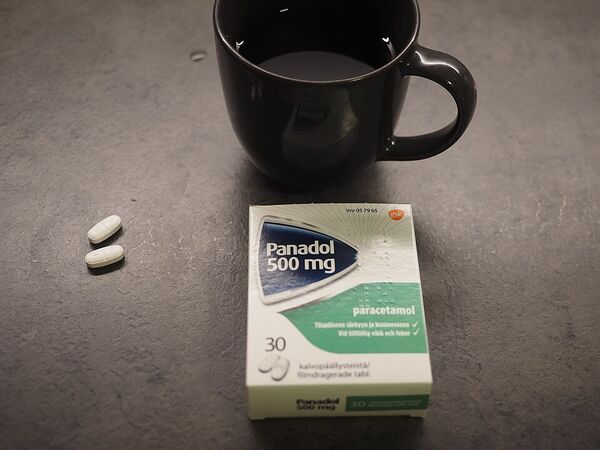
Photos from Wikimedia Commons. Packs sold in Ireland may look different.
As listed by the HSE. The same medicine can be sold under other names; the pharmacist can tell you.
Get help urgently
- Call 112 or 999 or go to an emergency department straight away if you or someone else takes an overdose on purpose.
- Go straight away if you are vomiting, have tummy pain, or your skin or the whites of your eyes look yellow after taking too much.
- Get medical advice after an overdose even if you feel well. Liver damage can be delayed and serious.
- Do not drive yourself to the emergency department. Ask someone else or call an ambulance. Bring the packet or leaflet and any medicine left.
- Call 112 or 999 or go to an emergency department for signs of a serious allergic reaction: an itchy, red, swollen, blistered or peeling rash, wheezing, tightness in the chest or throat, trouble breathing or talking, or swelling of the mouth, face, lips, tongue or throat.
What paracetamol is for
- It is a common painkiller for aches and pain.
- It can help with headaches, stomach ache, toothache and period pain.
- It can ease muscle pain and cold symptoms.
- It can bring down a high temperature (fever).
- You can buy it in shops and pharmacies without a prescription. A GP can prescribe it if you have long-term pain.
Who can take it
- Most people can take paracetamol safely.
- Tell your GP or pharmacist if you have ever had an allergic reaction to it or another medicine.
- Tell them if you have liver or kidney problems, a severe infection, or regularly drink more alcohol than the weekly low-risk guidelines.
- Do not give it to babies under 2 months old unless a GP has prescribed it.
- It is safe in pregnancy and while breastfeeding at recommended doses. Use the lowest amount that works for the shortest time.
How to take it
- Follow the leaflet or ask a pharmacist or GP how much to take. Never take a double dose.
- Swallow tablets or capsules with water. You can take them with or without food.
- For syrup, use the syringe or spoon that came with it, not a kitchen teaspoon.
- Suppositories go gently into the anus, pointed end first. Sit or lie still for about 15 minutes.
- It takes up to an hour to work and keeps working for about 5 hours.
- If you miss a dose, take it when you remember. Skip it if it is nearly time for the next one.
Other medicines and alcohol
- Do not take it with other medicines that contain paracetamol. Some cough and cold medicines and some prescription medicines do.
- Co-codamol and paracetamol with tramadol also contain paracetamol.
- Talk to your GP or pharmacist if you take medicine for epilepsy or TB, warfarin or St John's wort.
- Talk to them if you weigh less than 50kg, as you may need a lower dose.
- Do not take it with ibuprofen at the same time unless your GP tells you to.
- Mixing alcohol and paracetamol can be dangerous.
Side effects
- Side effects are very rare when you take the right amount.
- Talk to your GP if you are worried or notice anything unusual.
- The leaflet in the pack has a full list of side effects.
- You can report suspected side effects to the HPRA.
A pharmacist can help
A pharmacist can tell you about paracetamol if you have liver or kidney problems, a severe infection, or drink a lot of alcohol. They can also advise if you take other medicines, herbal remedies, vitamins or supplements, or weigh under 50kg. They can advise on using paracetamol and ibuprofen together. If you lost the spoon that came with your syrup, ask them for one.
Common questions
Can I take paracetamol when pregnant?+
Yes. Paracetamol is safe in pregnancy and while breastfeeding at recommended doses. Take the lowest amount that works for the shortest time, and contact your GP or pharmacist if the pain or fever does not improve.
Can I drink alcohol while taking paracetamol?+
Mixing alcohol and paracetamol can be dangerous. Tell your GP or pharmacist if you regularly drink more than the weekly low-risk guidelines.
What happens if I take too much paracetamol?+
Taking too much can cause serious harm, including delayed liver damage. Get medical advice even if you feel well. If it was on purpose, or you are vomiting, have tummy pain or look yellow, call 112 or 999 or go to an emergency department.
Can I take paracetamol and ibuprofen together?+
Not at the same time, unless your GP tells you to. Ask your GP or pharmacist how to use the two together.
How long does paracetamol take to work?+
It takes up to an hour to work. It keeps working for about 5 hours.
Based on the HSE’s guidance, read the full HSE page. Summarised in plain words with the help of AI and checked against that page on 25 October 2026. Not medical advice: if you are worried, contact a GP or pharmacist.