Paracetamol for children
Also called Panadol, Calpol, Tipol, Paralink, Rowalief, Paralief, Calpol fastmelts, Six Plus syrup
Paracetamol is a common painkiller for children. It can ease aches, pains and fever. The right amount depends on your child's age and sometimes their weight, so always check the leaflet.
When to see a GP ↓Brands sold in Ireland
- Paracetamol
- PanadolTipolCalpolParalinkRowaliefParalief
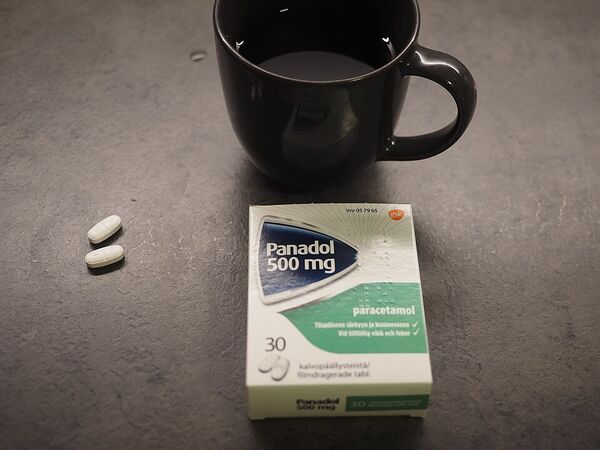
Photos from Wikimedia Commons. Packs sold in Ireland may look different.
As listed by the HSE. The same medicine can be sold under other names; the pharmacist can tell you.
Get help urgently
- Call 112 or 999 or go to an emergency department if your child is vomiting, has tummy pain, or has yellow skin or whites of the eyes after taking too much paracetamol.
- Call 112 or 999 or go to an emergency department if your child took an overdose on purpose (self-harm).
- Bring the paracetamol packet or leaflet and any remaining medicine with you.
- Call 112 or 999 or go to an emergency department immediately for signs of a serious allergic reaction: a skin rash that may be itchy, red, swollen, blistered or peeling; wheezing; tightness in the chest or throat; difficulty breathing or talking; or swelling of the mouth, face, lips, tongue or throat.
What it is for
- Paracetamol can ease aches and pains, including headaches and stomach aches.
- It can help with toothache, teething pain, earache and sore throat.
- It can ease pain or discomfort from a cold or flu.
- It can also help if your child has a high temperature and seems unwell.
- It comes as tablets, fast-melting tablets, syrup or suppositories.
Age and amount
- The amount depends on your child's age and sometimes their weight. Always read the packet leaflet carefully.
- Ask a GP or pharmacist if your child is small or big for their age, or if you are not sure how much to give.
- Do not give paracetamol to babies younger than 2 months unless a doctor prescribes it.
- Do not give it to very small babies who weigh less than 4kg.
- A premature or small baby may need a lower amount. Check with your GP.
- After a MenB vaccination, a baby aged 2 to 3 months may be given paracetamol soon afterwards. Check the instructions with your GP or nurse.
How to give it
- It can be given with or without food. It takes about 40 minutes to work.
- For syrup, use the syringe or spoon that came with the medicine. Do not use a kitchen teaspoon. A pharmacist can give you a syringe or spoon if you have lost yours.
- Give tablets with a drink. Your child should not chew them.
- Dissolvable tablets go into water. Stir well and make sure your child drinks all of it.
- Fast-melt tablets should melt on the tongue, not be swallowed whole.
- If your child vomits after tablets or syrup, do not repeat the dose. Wait for the next dose or ask a GP or pharmacist. You do not need to repeat a suppository if they are sick straight after.
Side effects
- Side effects are rare if you do not give more than the recommended amount.
- Talk to a pharmacist or GP if you are worried or notice anything unusual.
- Stop paracetamol and contact a GP straight away if your child has pale skin, unexpected bleeding or bruising, sore throat, fever or infections. These can be signs of a blood disorder.
- Stop and contact a GP straight away if their skin or eyes turn yellow. This can be a sign of liver problems.
- A serious allergic reaction is rare. You can report suspected side effects to the HPRA.
Other medicines and too much
- Your child can have paracetamol and ibuprofen on the same day, but not at the same time unless a doctor, nurse or pharmacist says so.
- Paracetamol is often best for pain such as headache and stomach ache. Ibuprofen is often best for swelling and redness, such as from teething and toothache.
- Many medicines you can buy contain paracetamol, such as some cough and cold medicines. Check the ingredients and do not give a second medicine with paracetamol in it.
- Keep paracetamol out of sight and reach of children. Too much can be dangerous.
- If you give an extra dose by mistake, wait at least 24 hours before giving more.
A pharmacist can help
Ask a pharmacist if you are not sure how much to give, or if your child is small or big for their age. They can give you a syringe or spoon if you do not have one, and advise on suppositories. A pharmacist can also tell you how to use paracetamol and ibuprofen together, and help if you are worried about a side effect.
Common questions
Can I give my child paracetamol and ibuprofen together?+
You can give both on the same day, but not at the same time unless a doctor, nurse or pharmacist tells you to. If your child still has pain or fever an hour after paracetamol, you could try ibuprofen. Ask a GP or pharmacist if you are unsure.
How long does paracetamol take to work in children?+
It takes about 40 minutes to work. It can be taken with or without food.
What should I do if I give my child too much paracetamol?+
If it was one extra dose by mistake, wait at least 24 hours before giving more. If they had 2 or more extra doses in 24 hours, or more than the recommended amount, contact a GP or NPIC on 01 809 2166 straight away, even if they feel well. Go to an emergency department if they are vomiting, have tummy pain or yellow skin or eyes.
What if my child vomits after taking paracetamol?+
Do not give the same dose again after tablets or syrup. Wait until the next dose is due, or ask a GP or pharmacist. If they are sick straight after a suppository, you do not need another dose.
Can I give paracetamol to a baby?+
Do not give it to babies younger than 2 months unless a doctor prescribes it, or to babies under 4kg. For older babies, follow the leaflet and check with your GP or pharmacist.
Based on the HSE’s guidance, read the full HSE page. Summarised in plain words with the help of AI and checked against that page on 25 October 2026. Not medical advice: if you are worried, contact a GP or pharmacist.